Warm White vs. Cool White: Layering Apartment Lighting with Interior Designers in Pune
- Achala A2
- Jun 25
- 6 min read


You know that feeling. It seems like everything is perfect. The walls have the right colours. Everything seems well planned. Yet something doesn't feel right.
In many cases, lighting is the reason.
A room can have expensive interiors and still feel cold, dull, or uncomfortable because of poor lighting choices. Poor lighting can kill the vibe of even the most expensive interiors. Proper lighting has become essential in home design.
Unfortunately, in the interior design process, lighting is often one of the last things that is thought about and incorporated into a room. This is typically when the most mistakes are made. The good news is that there are 3 simple lighting concepts that you can master to help incorporate lighting properly into your space. Let's talk about how professional designers create comfortable and beautiful apartments using smart lighting techniques.
Why Lighting Matters More Than Most People Think
Think about your daily routine.
You wake up in your bedroom.
You make tea in the kitchen.
You work in your study corner.
You relax in the living room.
Lighting affects every one of these activities.
Good lighting improves comfort, mood, and functionality. Bad lighting can make a room feel smaller, darker, and less welcoming.
This is one reason why interior designers in pune spend considerable time planning lighting layouts before installation begins.
Understanding Warm White Lighting
Warm white lighting creates a soft yellowish glow.
Most people associate this type of lighting with comfort and relaxation.
Think about luxury hotels.
Think about cosy cafés.
Think about relaxing evenings at home.
Those spaces often use warm white lighting.
Warm white lights usually fall between 2700K and 3000K on the colour temperature scale.
The result feels soft and pleasant.
Where Warm White Works Best
Warm white lighting performs beautifully in spaces where comfort matters most.
Bedrooms
A bedroom should help you relax.
Warm lighting creates a peaceful atmosphere after a long workday.
Living Rooms
Families spend hours watching TV, talking, and relaxing here.
Warm lighting makes these moments feel more comfortable.
Dining Areas
Food often looks more appealing under warm lighting.
Dinner conversations also feel more inviting.
Many Home Interior Designers in Pune prefer warm lighting in family-focused spaces because it creates a welcoming environment.
Understanding Cool White Lighting
Cool white lighting creates a brighter and sharper appearance.
The light contains more white and bluish tones.
This lighting feels energetic and active.
Cool white lighting generally ranges between 4000K and 6500K.
Many commercial offices use cool white lighting because it improves visibility and concentration.
Where Cool White Works Best
Cool white lighting suits task-oriented spaces.
Kitchens
Food preparation requires clear visibility.
Cool lighting helps people work comfortably.
Study Areas
Reading and working become easier under brighter light.
Utility Spaces
Laundry areas, storage rooms, and workspaces benefit from cool white lighting.
Several interior designers in pune recommend cool white lighting for functional zones where clarity matters more than ambience.
Warm White vs. Cool White: Which One Wins?
Homeowners tend to think a one or the other mentality on the options available to them. So do most of the professionals. They tend to think you can combine the various options available. After all, every room serves a different purpose and the lighting should support that purpose. Using a combination of lighting temperatures in each of the Rooms spreads throughout a home more comfortable than using a single lighting temperature throughout the home.
What Is Layered Lighting?
Layered lighting is using multiple lighting sources in combination. Rather than having one light in the ceiling, lighting layers are created. This balanced, practical design is made up of three main layers of lighting: ambient lighting, task lighting, and accent lighting.
Ambient Lighting: The Foundation Layer
Ambient lighting is the main overall illuminative layer. It is the lighting source primarily used in a room and can be ceiling lights, cove lights, recessed lights, or surface-mounted fixtures. Rooms can feel uneven with out this layer and most apartments use this layer primarily.
Task Lighting: Light Where You Need It
Lighting used for a specific purpose is task lighting. This can include reading lamps, study lights, kitchen counter lights, and vanity mirrors. This lighting helps the purpose the fixtures serve, aka chopping veggies or reading.
Accent Lighting: The Finishing Touch
Accent lighting lends a special feature and helps lighting create a visual interest. This can include wall washers, artwork lighting, shelf lighting, and decorative pendants. This layer is the icing on the cake really because it can create the luxury feel so synonymous with professional designs.
Lighting Mistakes Apartment Owners Often Make
Some mistakes appear again and again.
Using Only One Ceiling Light
This is probably the most common issue.
One central light creates shadows and uneven brightness.
Rooms often look flat.
Choosing the Same Colour Temperature Everywhere
A single lighting temperature throughout the apartment rarely works well.
Different rooms have different functions.
Ignoring Corners
Dark corners make rooms appear smaller.
Layered lighting solves this problem effectively.
Overusing Decorative Lights
Beautiful fixtures are great.
Too many decorative lights can create clutter and visual confusion.
Ideal Lighting Setup for a Living Room
The living room often serves multiple purposes.
People relax, entertain guests, watch television, and spend family time here.
A balanced setup may include:
Warm white ceiling lighting
Cove lighting
Floor lamp near seating
Accent lights around display shelves
This combination creates flexibility throughout the day.
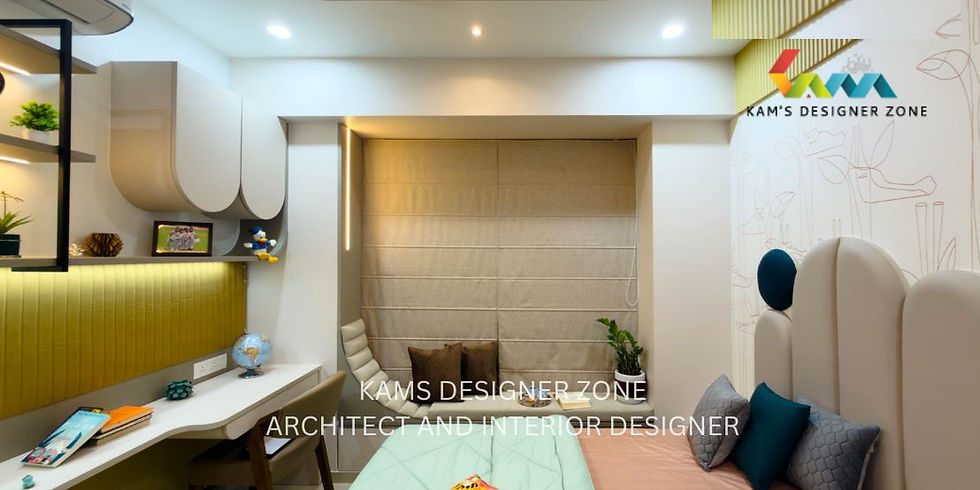
Best Lighting Approach for Bedrooms
Bedrooms need calm and comfort.
Warm white lighting usually works best.
A practical bedroom setup includes:
Soft ceiling lighting
Bedside lamps
Wardrobe lighting
Accent lighting behind headboards
The goal is comfort, not excessive brightness.
This approach is commonly recommended by interior designers in pune for modern apartments.
Kitchen Lighting Done Right
Many homeowners underestimate kitchen lighting.
A stylish kitchen becomes frustrating when work surfaces remain poorly lit.
A better setup includes:
Ambient Lighting
General ceiling illumination.
Task Lighting
Under-cabinet lighting over countertops.
Decorative Lighting
Pendant lights above breakfast counters or islands.
Cool white lighting generally performs well here because it improves visibility.
Lighting Small Apartments
Small apartments face unique challenges.
Many homeowners worry about making spaces look cramped.
Good lighting can help significantly.
Try these ideas:
Use wall-mounted fixtures
Add mirror reflections
Include cove lighting
Light darker corners
Avoid oversized hanging fixtures
Even compact homes can feel open and comfortable with thoughtful planning.
Smart Lighting Is Becoming Popular
Technology has changed home lighting.
Many homeowners now use:
Dimmable lights
Smart switches
Mobile-controlled systems
Scene settings
Imagine reducing brightness for movie night without leaving your sofa.
Simple conveniences like this improve daily living.
Several Home Interior Designers in Pune now include smart lighting discussions during planning stages.
Balancing Natural and Artificial Light
Natural light remains important.
No artificial source can completely replace sunlight.
Good lighting design works alongside natural light.
During daytime:
Maximise window access
Use light-coloured curtains
Avoid blocking sunlight
During evening:
Activate layered lighting
Create balanced brightness
Maintain visual comfort
The combination works beautifully.
How Lighting Affects Interior Colours
This part surprises many homeowners.
The same wall colour can look completely different under different lighting.
Warm white lighting enhances:
Beige tones
Cream shades
Earthy colours
Wooden finishes
Cool white lighting enhances:
Whites
Greys
Blues
Modern minimalist palettes
Always test lighting before finalising paint colours.
Creating the Right Mood in Every Room
Lighting isn't just about visibility.
It shapes emotions.
A bright kitchen supports productivity.
A warm bedroom supports relaxation.
A layered living room supports both social gatherings and quiet evenings.
When lighting supports how people actually live, homes feel more comfortable every day.
Conclusion
Identifying which light (cool or warm white) to use doesn't boil down to a right or wrong choice. They both need to be used in their proper locations for the desired effect. When both, along with layered lighting, are used thoughtfully throughout the space, comfort along with increased practicality and inviting nature are experienced in all spaces.
Layered lighting brings both balance and practicality to spaces. It emphasizes beautiful design within the space while being supportive of the many functions that the space will be used for. There are many homeowners that feel lighting changes will be minor, but, in fact, the contrary is true. There are many unexpected ways lighting can impact your home.
While you are in the process of designing or redesigning the aesthetics of the rooms in your apartment, don't neglect the lighting. A well thought out lighting design shows a lot of potential to greatly impact how the space looks and functions.
Life2home is a business that offers homeowners the opportunity to implement lighting strategies that offer flexibility to adapt to a variety of activities. Reach out to our team to bring lighting into your home.


Comments